
Pests We Treat
From what's crawling through the yard to what's tunneling behind the walls, LS Pest Control handles the pests that matter most to your home. Explore each service below to learn how we approach it.
Every pest is different — different habits, different risks, different reasons they end up on your property in the first place. That's why LS Pest Control treats each one with an approach built around how it actually behaves, not a one-size-fits-all spray. Browse the pests below to learn what to look for, what draws them in, and how we handle each one.
Pests We Treat
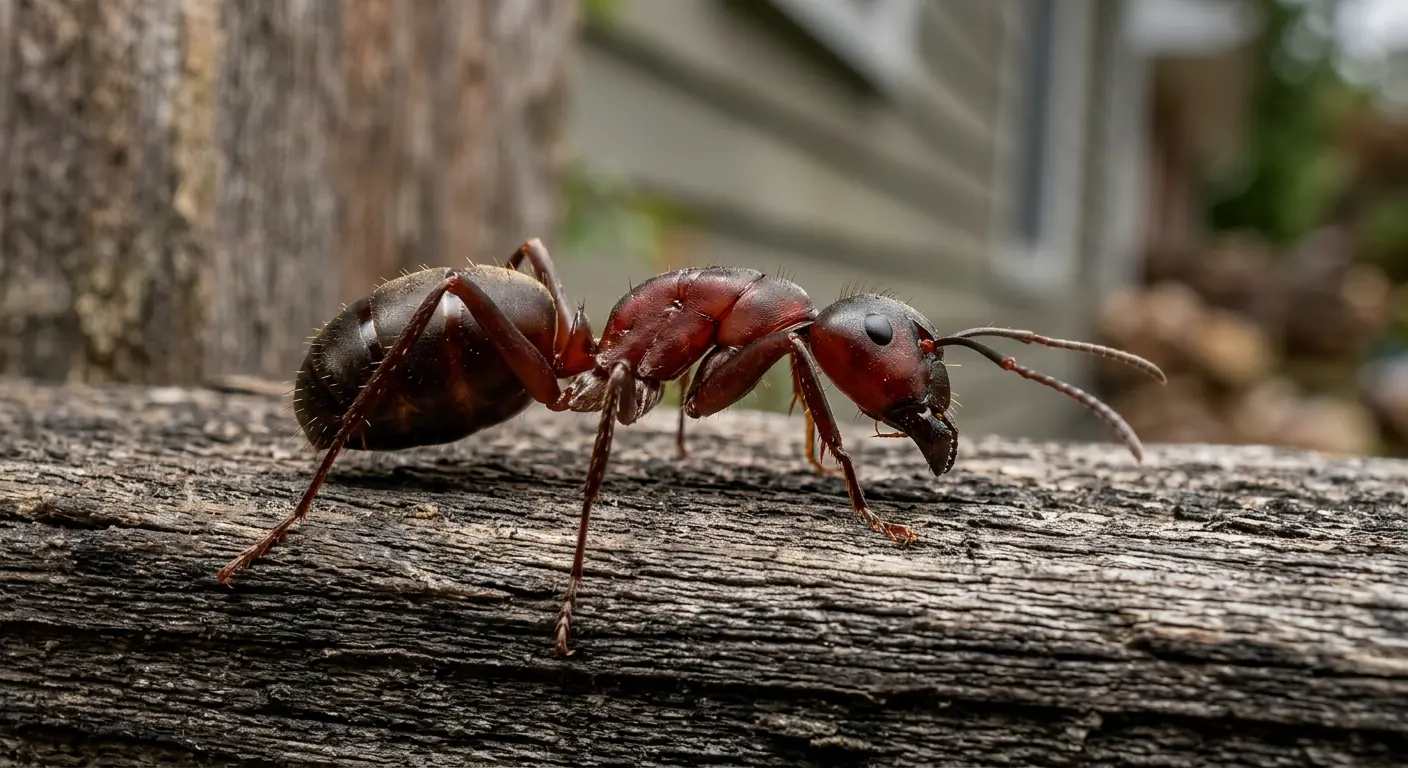

Ants
Persistent, fast-moving, and skilled at finding their way in through the smallest gaps.
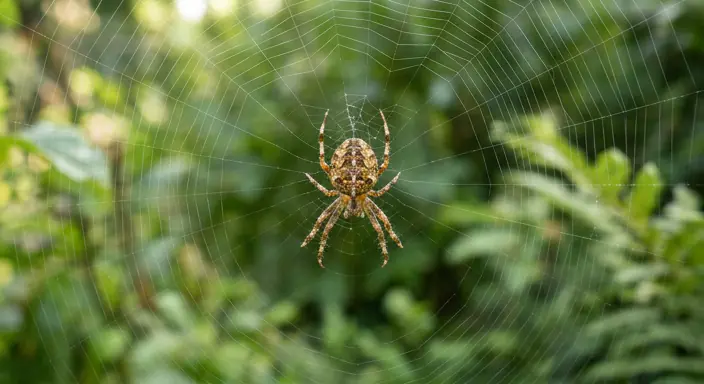

Spiders
Often a sign of another pest problem — spiders follow their food source indoors.
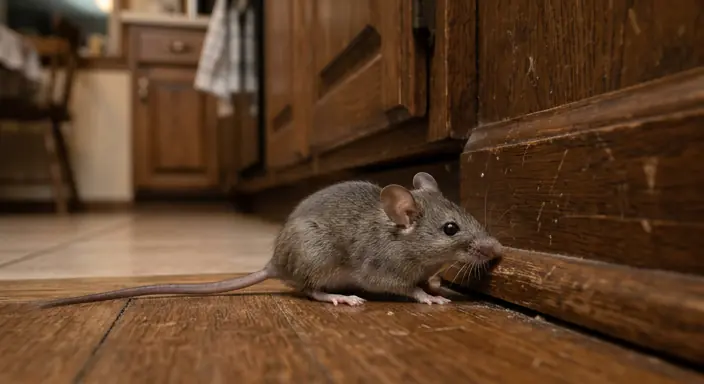

Rodents
Resourceful, fast-breeding, and surprisingly good at finding a way in.
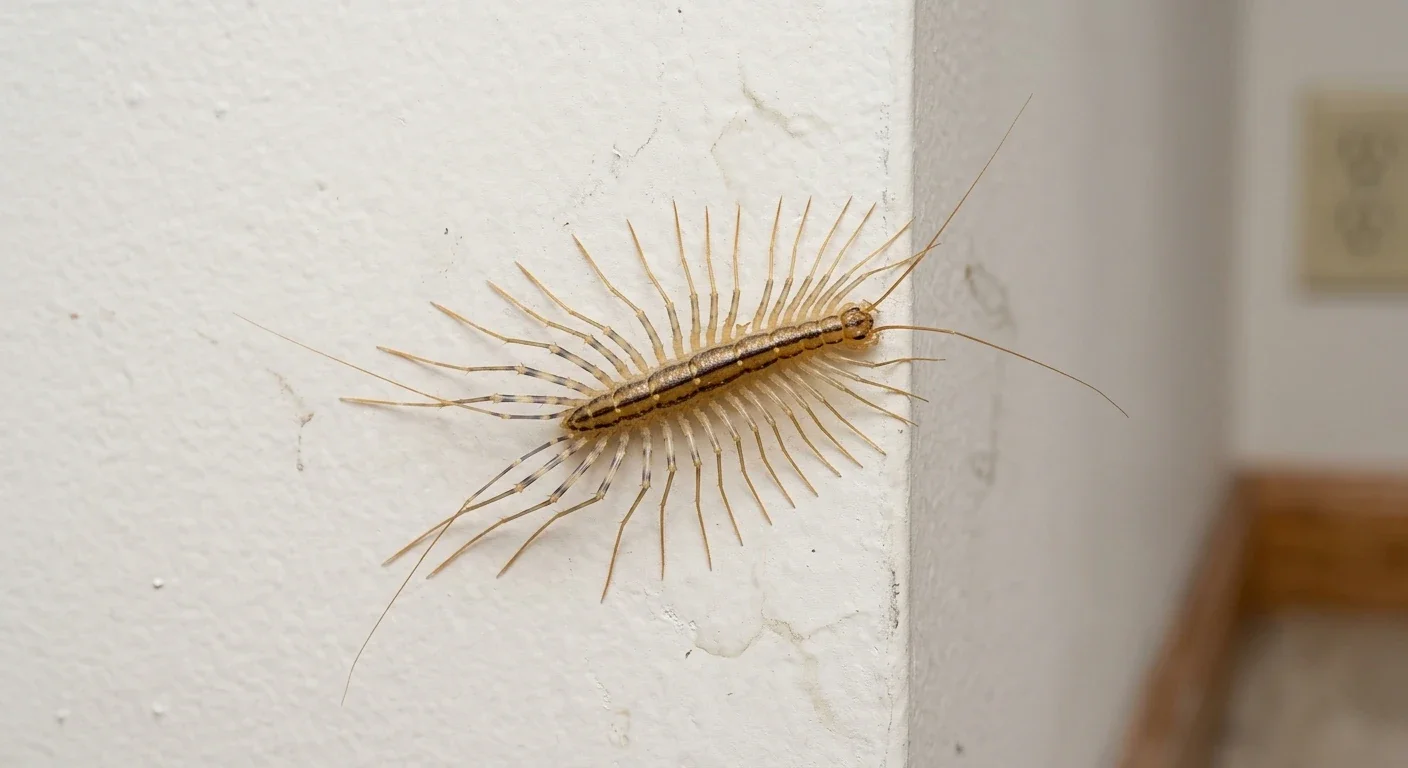

Centipedes
Fast-moving and drawn to moisture — a sign of damp, undisturbed conditions.
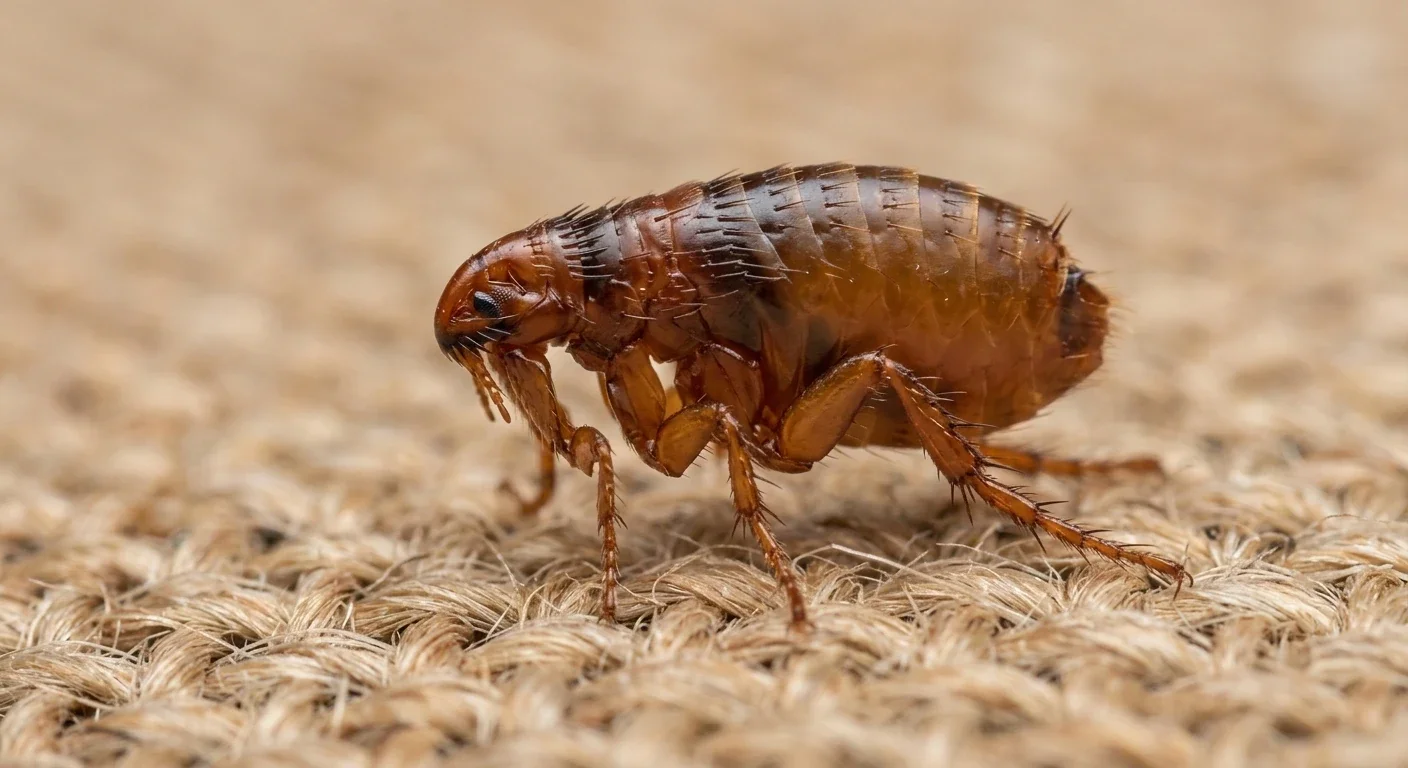

Fleas
Tiny, fast-breeding, and living more in your carpets than on your pets.
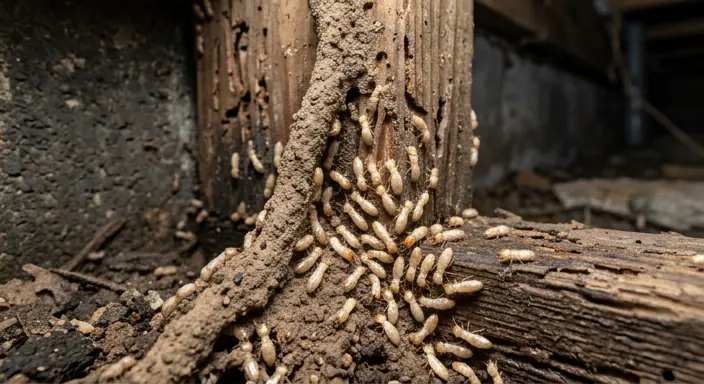

Termites
Capable of significant structural damage long before the signs become obvious.
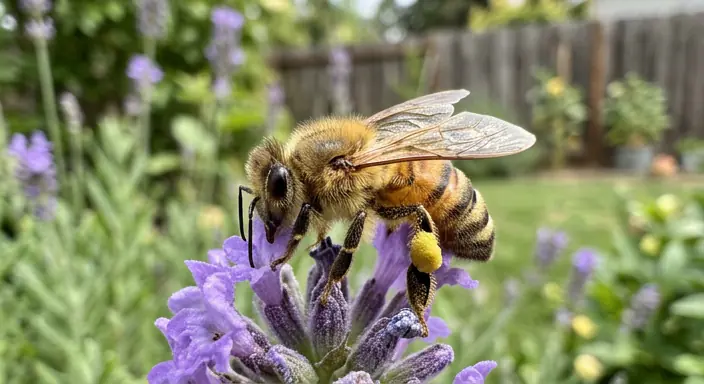

Stinging Insects
Bees, wasps, and hornets — important outdoors, but a real risk when nesting close to home.
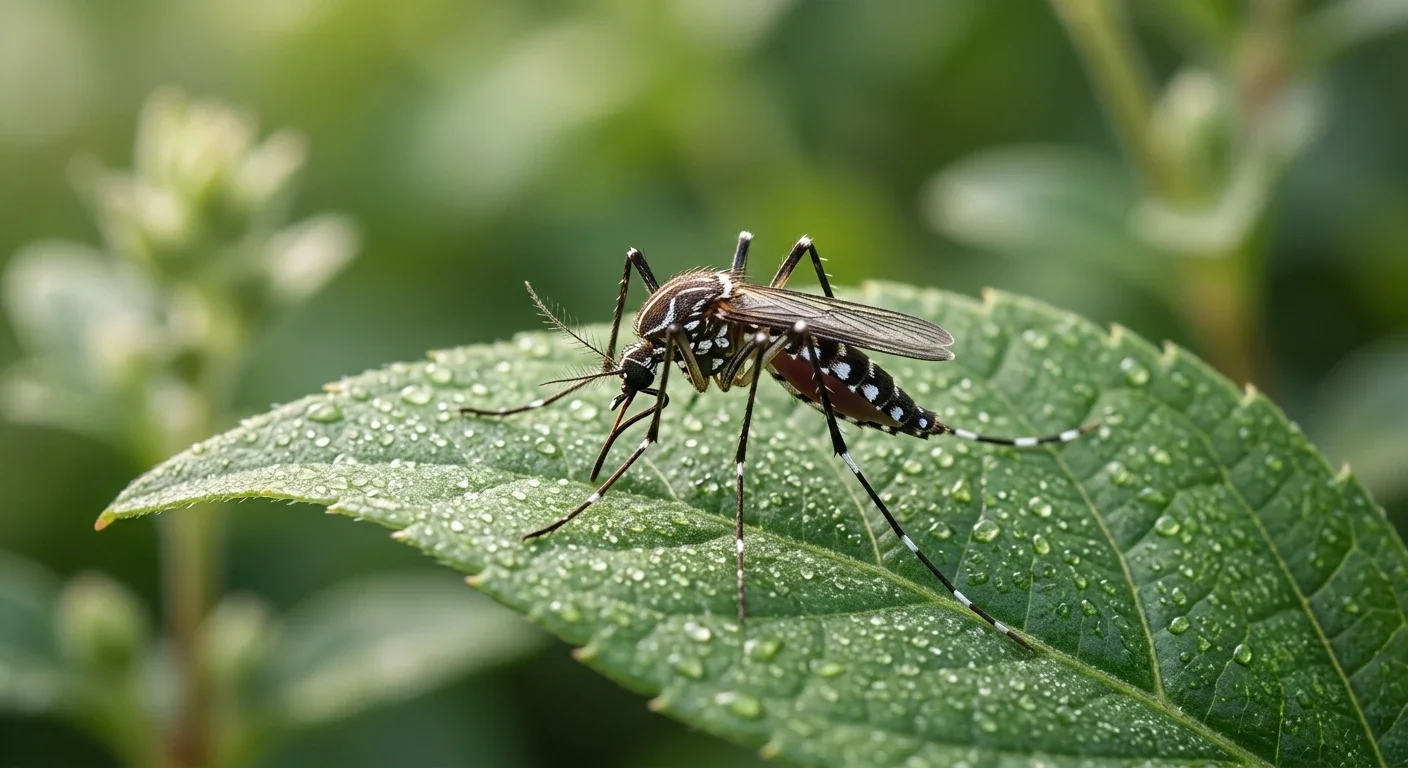

Mosquitoes
Breed fast in standing water and can turn an evening outdoors into constant swatting.
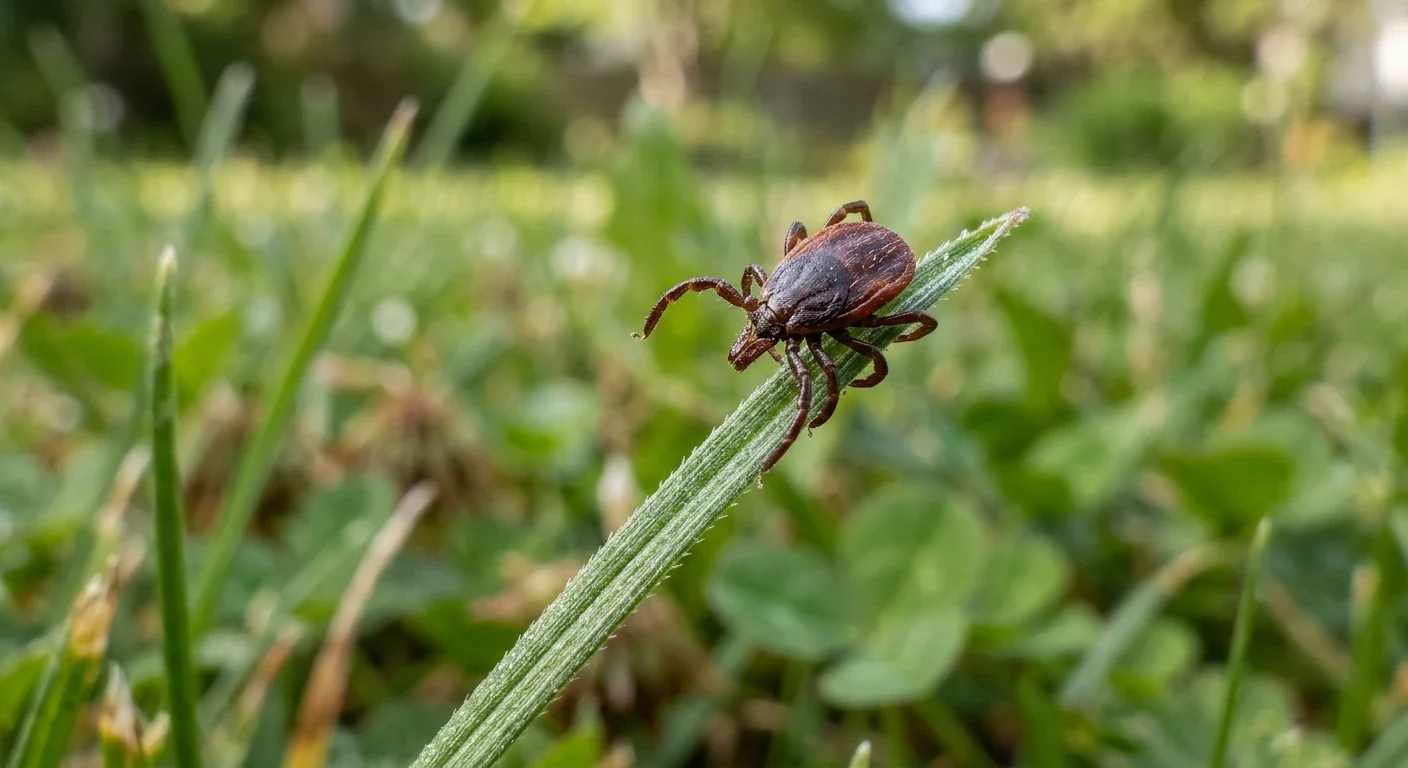

Ticks
Don't jump or fly — they wait in tall grass and brush for a host to brush past.
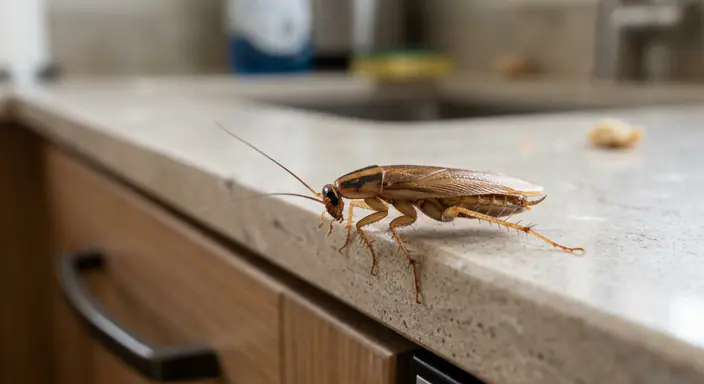

Cockroaches
Resilient and skilled at staying hidden — spotting one usually means more nearby.

Flies
Fast-breeding and drawn to food, moisture, and hidden breeding sources.
Why a Tailored Approach Matters
No two pests behave the same way, which is why treating them all the same rarely works. Some, like termites, require identifying which of several distinct types is present. Others, like mosquitoes, are driven almost entirely by a single environmental factor — standing water — that has to be addressed at the source. And pests like ants or cockroaches often need targeted treatment that reaches the colony or hidden population, not just what's visible on the surface.
A tailored approach means:
Correctly identifying the pest and, where relevant, the specific species
Understanding what's attracting it to your property in the first place
Applying treatment methods suited to that pest's behavior and life cycle
Following up to confirm the approach is working
Not Sure What You're Dealing With?
If you're not sure which pest you're seeing — or just know something's not right — reach out for an inspection. We'll identify what's going on and build a treatment plan around it.
(123) 456-7890Claim your free inspection
No contracts. No obligation. $100 off your first treatment.