


Mice
Small, agile rodents that can squeeze through very small openings. They tend to nest in hidden, undisturbed areas and can contaminate food sources quickly once inside.
Mice and rats are resourceful, fast-breeding, and surprisingly good at finding a way in. Here's what to know about identifying rodent activity, understanding the risk, and keeping your home protected.
Rodents are among the most adaptable pests found in and around homes, with mice and rats being the species homeowners encounter most often. Their defining feature is a pair of front incisors that never stop growing — which is why rodents gnaw constantly, wearing their teeth down on whatever is available, including wood, wiring, and insulation.
Rodents are also remarkably capable of squeezing into tight spaces. A mouse can fit through an opening roughly the width of a pencil, while some rats can work their way through gaps around half an inch wide. Combined with their tendency to breed quickly, a small rodent presence can turn into a larger infestation in a relatively short window of time.

Front incisors that grow continuously, requiring constant gnawing
Compact, flexible bodies built for squeezing through small gaps
Strong memory for pathways, food sources, and safe routes once established
Primarily active at night
Adaptable nesting habits — indoors and out

Like most pests, rodents come indoors looking for food, water, and shelter — and a home offers all three. Once inside, they tend to settle into quiet, out-of-the-way areas where they're unlikely to be disturbed.
Because rodents can remember pathways and food sources once they've explored an area, a small population can establish itself quickly — and just as quickly become harder to fully resolve without addressing the access points they're using. Rodent activity often starts quietly; by the time sounds or droppings are noticeable, a population may already be established nearby.
Small, agile rodents that can squeeze through very small openings. They tend to nest in hidden, undisturbed areas and can contaminate food sources quickly once inside.

Larger and stronger than mice, rats are capable scavengers that can chew through a wide range of materials and often nest in basements, crawl spaces, or near foundations.
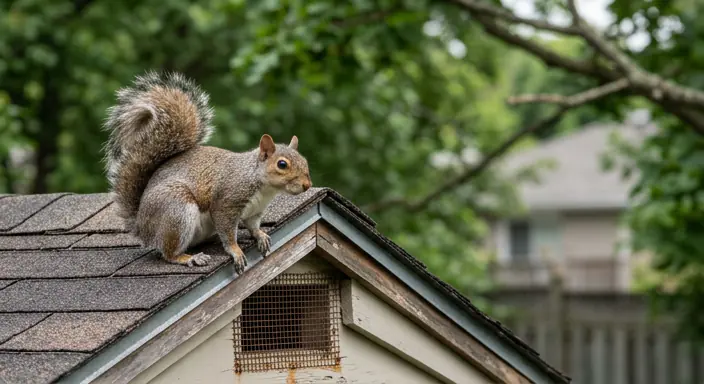
While typically outdoor animals, squirrels can find their way into attics and rooflines, where their gnawing can affect wiring and structural materials.
Other rodent species homeowners may occasionally encounter include voles, which are stockier with shorter tails and are more commonly found outdoors.
Because mice, rats, and other rodents differ in size, behavior, and preferred nesting sites, identifying the species involved helps determine the most effective approach.
Beyond the disruption of hearing movement in the walls, rodents can create real risks for a home. Constant gnawing can affect wood, drywall, insulation, and electrical wiring, in some cases creating a fire risk, and rodents can get into food storage areas, contaminating what they touch. Rodents are also associated with the potential spread of certain diseases through droppings, urine, or bites — if you have concerns about possible exposure, consult a medical professional.
This information is educational only and is not medical advice.
Effective rodent control goes beyond removing what's visible — it focuses on identifying and closing the access points rodents are using, since sealing entry is often what determines whether a solution lasts.
Assessing the interior and exterior of the home to identify signs of activity, entry points, and risk factors.
Using an appropriate combination of traps, bait stations, or other methods based on the situation.
Sealing gaps, cracks, and vulnerable entry points to help prevent rodents from re-entering.
Checking for new signs of activity after initial treatment to confirm the approach is working.
Simple habits that make a home less inviting to rodents:
Store food, including pet food and birdseed, in sealed containers
Take out garbage regularly and keep bins tightly sealed
Clean up crumbs, spills, and dirty dishes promptly
Reduce clutter in attics, basements, and garages
Trim vegetation and remove debris piles away from the foundation
Seal cracks, gaps, and openings around the home's exterior
Good sanitation habits go a long way, but many homes have entry points that aren't obvious from the inside — which is why a professional exterior inspection is often part of a lasting solution.
Rodents can squeeze through surprisingly small openings — a mouse can fit through a gap about the width of a pencil, while some rats can enter through openings roughly half an inch wide. Common entry points include gaps around utility lines, foundation cracks, and areas where pipes or wires enter the home.
Early signs often include scratching sounds in walls or ceilings (especially at night), droppings near food storage areas, and gnaw marks on packaging, wood, or wiring.
Yes. Because rodents' teeth grow continuously, they gnaw regularly on whatever is available — including wood, insulation, and electrical wiring — which can lead to structural damage or other issues over time.
Rodents are associated with the potential spread of certain diseases through droppings, urine, or bites. Good sanitation and prompt treatment help reduce this risk. If you have specific health concerns, consult a medical professional.
DIY traps and store-bought products can offer some short-term relief, but they typically don't address the entry points rodents are using to get in — which means new rodents can continue to enter even after existing ones are removed. Professional treatment is generally more effective for a lasting solution.
Timelines vary depending on the size of the infestation and how many entry points exist. Many homeowners notice a reduction in activity within the first few days of treatment, though full resolution depends on identifying and sealing all access points.
From tunneling and crawling to flying and squeezing through gaps you never noticed, we've seen it and kept it out. Explore how we handle each:
Scratching in the walls or droppings in the pantry are signs worth acting on quickly. Reach out for an inspection and a treatment plan built around your home.
(123) 456-7890No contracts. No obligation. $100 off your first treatment.


